

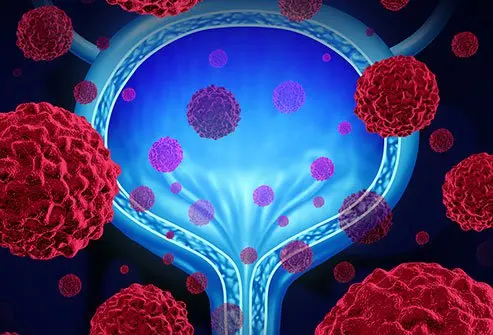
5 Warning Signs of Bladder Cancer
Most people don’t think about their bladder until something goes wrong. When bladder cancer develops, cells in the bladder lining begin growing in ways they shouldn’t, and the body usually sends signals well before the disease advances. Those signals most...
Low-Grade Bladder Cancer Recurrence
Low-grade bladder cancer returns in 50 to 70 percent of patients within five years of initial treatment, even when the first tumour was fully removed. Most recurrences appear in the first two years and are caught on routine surveillance cystoscopy. Recurrent low-grade...
What Is the Normal Prostate Volume in cc by Age?
In a young, healthy man the prostate is small, somewhere around 20 to 30 cc. (A cc and a milliliter are the same thing, in case your report uses one and your doctor uses the other.) It is a hormone-driven gland, so it does not stay that size forever. Past 40 it tends...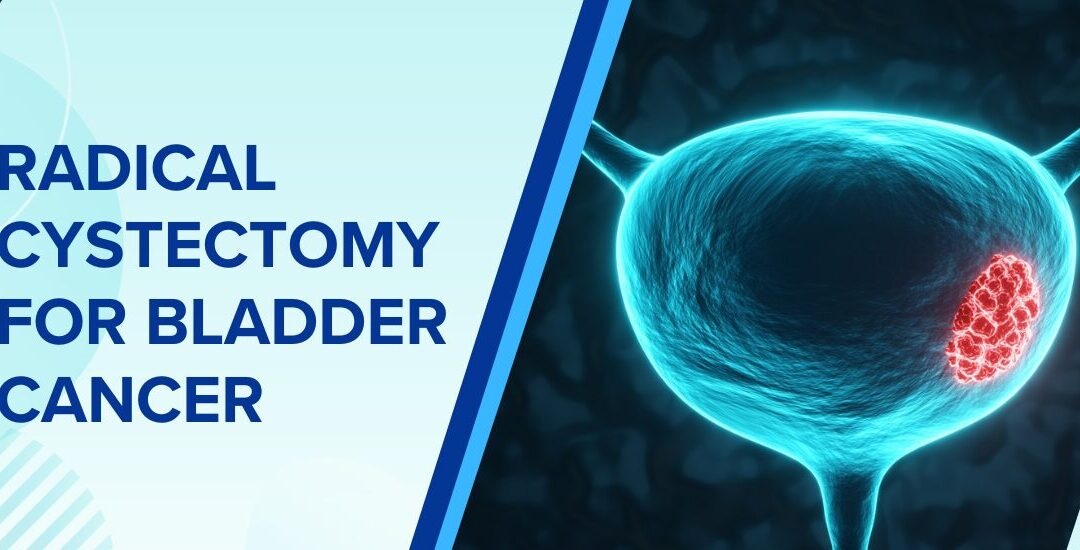
Radical Cystectomy for Bladder Cancer
Radical cystectomy is the surgical removal of the urinary bladder and surrounding organs to treat muscle-invasive bladder cancer and high-risk tumours that fail conservative therapy. The procedure includes urinary diversion through an ileal conduit, neobladder, or...
What Size of Kidney Stone Requires Surgery?
Kidney stones under 4 mm pass on their own in about 80 percent of cases.Stones from 4 to 6 mm pass on their own in about 60 percent of cases.Stones over 6 mm usually need surgery. Anything past 10 mm almost never passes naturally. According to Dr. Rahul Pradhan, a...MEDICALLY
REVIEWED BY

Dr. Rahul Pradhan
MBBS, MS – General Surgery,
MCh – Urology, FMAS,
Fellowship in Uro-Oncology
& Robotic Surgery
Urologist, Uro-Oncologist
& Robotic Surgeon