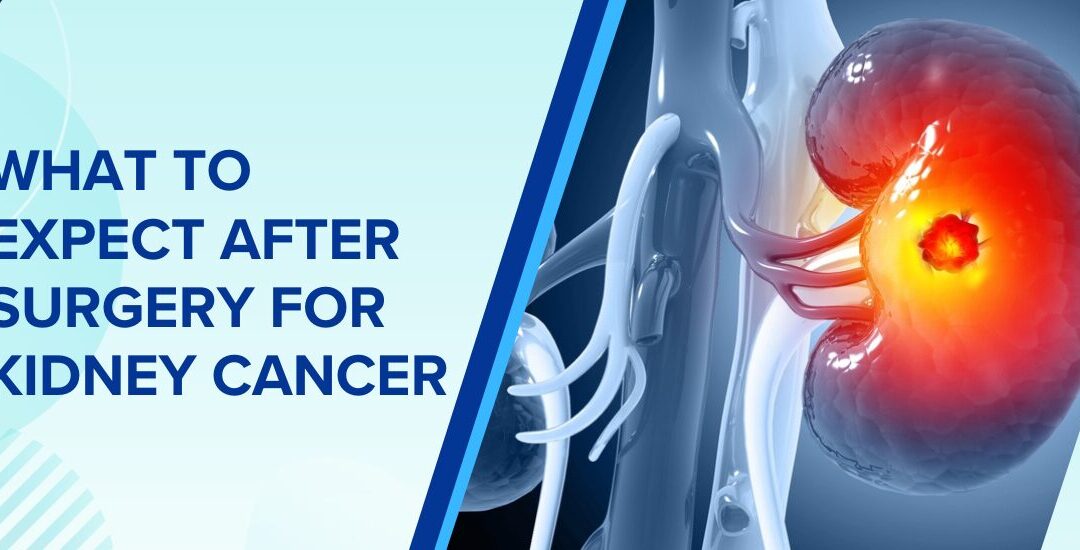
Recovery after kidney cancer surgery usually takes 6 to 8 weeks for robotic or laparoscopic cases and 8 to 12 weeks for open surgery, with most patients back to light work within 2 to 3 weeks. The remaining kidney adapts to handle 70 to 80 percent of normal function within a few months, and long-term follow-up is what actually catches recurrences early.
According to Dr. Rahul Pradhan, a senior urologist in Bhubaneswar, “The first 48 hours after kidney cancer surgery set the tone for everything that follows, and patients who walk early, hydrate properly, and stick to follow-up appointments almost always recover faster than those who don’t.”
How Does Recovery Vary Across Different Types of Surgery?
Recovery after kidney cancer surgery varies depending on the procedure, tumour size, and whether part or all of the kidney is removed. Here’s how the main approaches differ:
Robotic Partial Nephrectomy
Only the tumour is removed while the rest of the kidney stays intact, with most patients walking within 24 hours, going home in 2 to 3 days, and back to normal life in 4 to 6 weeks
Laparoscopic Radical Nephrectomy
The whole affected kidney comes out through keyhole incisions, with a hospital stay of 3 to 4 days and full recovery in 4 to 6 weeks
Open Radical Nephrectomy
Used for very large or complex tumours with a bigger incision, and recovery typically takes 6 to 8 weeks before normal activity resumes
Ablation Therapy
Small tumours are destroyed using extreme cold or heat instead of surgery, which means no incisions and a same-day or overnight discharge
Here’s a quick side-by-side of what to expect by procedure type:
Activity | Robotic / Laparoscopic | Open Surgery |
Light walking | Day 1 | Day 2 to 3 |
Driving | 2 weeks | 3 to 4 weeks |
Desk work | 2 to 3 weeks | 4 to 6 weeks |
Light exercise | 3 to 4 weeks | 6 weeks |
Heavy lifting | 6 weeks | 8 to 12 weeks |
Full normal activity | 6 to 8 weeks | 8 to 12 weeks |
What Precautions Are Recommended After Undergoing Kidney Cancer Surgery?
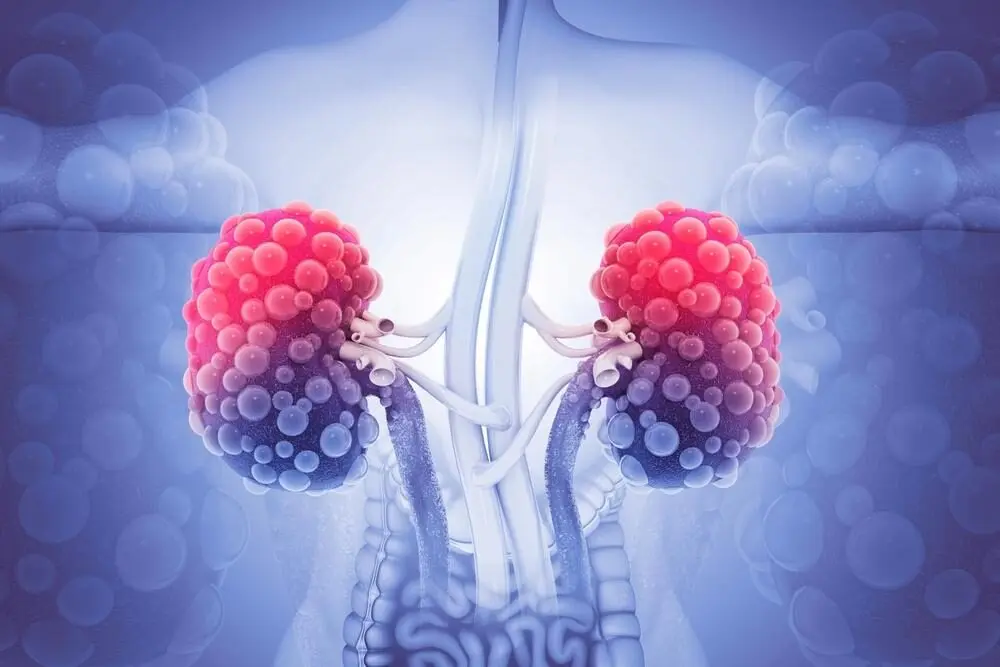
Most healing occurs in the first six weeks, and following the right precautions during this time helps ensure a smooth recovery and prevents setbacks.
Keep the wound dry by avoiding tubs, pools, and pressure on the incision, and report any redness, swelling, pus, or fever immediately.
Take pain medication on time instead of waiting for pain to peak, as this helps with better movement and sleep; most patients stop within two weeks.
Stay well hydrated by drinking 2–2.5 litres of water daily (unless advised otherwise), aiming for pale yellow urine.
Eat small, frequent meals since appetite returns gradually and lighter portions are easier to manage.
Walk short distances regularly, as gentle movement supports faster healing.
Avoid lifting anything heavier than 5 kg for at least six weeks to prevent strain on healing tissues.
One thing worth mentioning is that if you start feeling worse after initially feeling better, don’t assume it’s just a bad day because that pattern usually means something needs checking.
What to Expect During Your Hospital Stay
The first 48 to 72 hours are about stabilising vitals, managing pain, and getting you moving, and here’s what actually happens day by day:
You wake up with a urinary catheter, an IV drip, and sometimes a small drain near the incision
Pain is controlled with injectable medication and monitored closely by the nursing team
Blood pressure, oxygen levels, and urine output are checked every few hours
Walking starts within 24 hours to prevent blood clots and speed up bowel recovery
Sips of water move to light fluids, then soft food once bowel sounds return
The catheter comes out by day 2 or 3 in most cases
Blood tests check kidney function and haemoglobin before discharge
Discharge instructions cover wound care, medication schedule, and follow-up dates
A little grogginess and soreness in the first day is completely normal, but sharp new pain, high fever, or sudden weakness is always worth flagging to the nursing staff rather than waiting it out.
How Long Does It Take to Completely Recover from Kidney Cancer Surgery?
Complete recovery depends on the type of surgery, your overall health, and how well the first few weeks go, but the broad timeline is fairly predictable for most patients:
Week 1 to 2: Rest at home, short walks, pain control, and wound care, with fatigue being the main symptom
Week 3 to 4: Energy starts returning, desk work becomes possible for robotic and laparoscopic cases, and mild household activity is fine
Week 5 to 6: Most patients feel close to normal, short-duration exercise can resume, and follow-up imaging is usually scheduled around this time
Week 7 to 12: Gradual return to full workload, heavier exercise, and travel, especially for open surgery cases
Month 3 to 6: The remaining kidney has fully adapted, blood pressure and kidney function checks become routine, and long-term surveillance begins
Fatigue is the most underestimated part of this phase. It’s completely normal to feel tired by mid-afternoon for 4 to 6 weeks after surgery, and pushing through doesn’t speed things up, it usually makes the next day harder. Short naps are better than coffee.
What’s the Outlook for a Person Who’s Had Kidney Cancer Surgery?
For most patients who’ve had surgery for localised kidney cancer, the outlook is genuinely good. Stage I kidney cancer has a 5-year survival rate of over 90 percent when caught early and treated with proper surgery, and Stage II sits close behind at around 80 percent. Even Stage III cases have reasonable outcomes with the right combination of surgery and follow-up therapy.
A few things shape the long-term picture:
Tumour stage and grade at surgery
Lower stage and grade mean better long-term outcomes
Whether margins were clear
Clear surgical margins significantly reduce the chance of local recurrence
Type of surgery done
Partial nephrectomy preserves more function and gives better long-term kidney health
How well follow-up is maintained
Structured surveillance catches recurrences early, when they’re still treatable
Overall health and lifestyle
Managing blood pressure, hydration, salt intake, and weight directly affects the single kidney’s long-term performance
Kidney cancer can come back years after surgery, which is why Dr. Pradhan designs a risk-based surveillance plan for every patient. Here’s roughly what long-term follow-up looks like:
| Timeline | What’s Checked |
| Month 1 and Month 3 | Clinical review, wound check, blood tests for kidney function |
| Every 6 months for 2 years | Ultrasound or CT scan, kidney function panel, urine analysis |
| Annually from year 3 | Imaging and blood tests |
| At regular intervals | Chest imaging, since lungs are the most common site of spread |
Most patients go back to work, exercise, travel, and normal family life within two to three months. Life with one kidney isn’t restrictive for the vast majority, and with proper follow-up the long-term outlook is consistently positive.
Patients across Odisha trust Dr. Rahul Pradhan for kidney cancer care due to his technical precision, extensive robotic surgery experience, and attentive aftercare. With advanced urology training and over 300 major robotic procedures, he provides confidence in complex surgical decisions.
Ready to discuss your kidney cancer treatment options? Book a consultation today with one of the leading uro-oncologists in Bhubaneswar and get clarity on what your recovery will look like. – Book an appointment
FAQs
How long does it take to fully recover from kidney cancer surgery?
Full recovery takes 6 to 8 weeks after robotic or laparoscopic surgery and 8 to 12 weeks after open surgery, with most patients back to desk work within 2 to 3 weeks.
Can I live a normal life with one kidney after nephrectomy?
Yes, because the remaining kidney adapts within 3 to 6 months and takes on most of the workload, though regular blood pressure and kidney function checks are important long-term.
When can I drive after kidney cancer surgery?
Driving is usually safe after 2 weeks for minimally invasive surgery and 3 to 4 weeks for open surgery, once pain medication is stopped and reflexes are back to normal.
Do I need chemotherapy after kidney cancer surgery?
Most early-stage kidney cancers don’t need chemotherapy, though advanced or high-risk cases may need targeted therapy or immunotherapy, decided by a multidisciplinary tumour board.
Is there a risk of kidney cancer coming back after surgery?
Yes, which is why structured surveillance matters, because recurrences can happen locally or in the lungs, liver, or bones, and early detection dramatically improves outcomes.