Testicular Cancer Treatment in Bhubaneswar
Testicular cancer is uncommon but one of the most curable cancers when treated early. Dr. Rahul Pradhan, a consultant uro-oncologist and urologist in Bhubaneswar, offers complete testicular cancer care alongside related conditions such as kidney cancer, from early diagnosis to inguinal orchidectomy, RPLND, and chemotherapy coordination. Trained at Sri Shankara Cancer Foundation, Bengaluru, with 300+ major robotic surgeries, he brings world-class uro-oncology care to patients across Odisha.
300+
MCh
FMAS
9+
Did You Know?
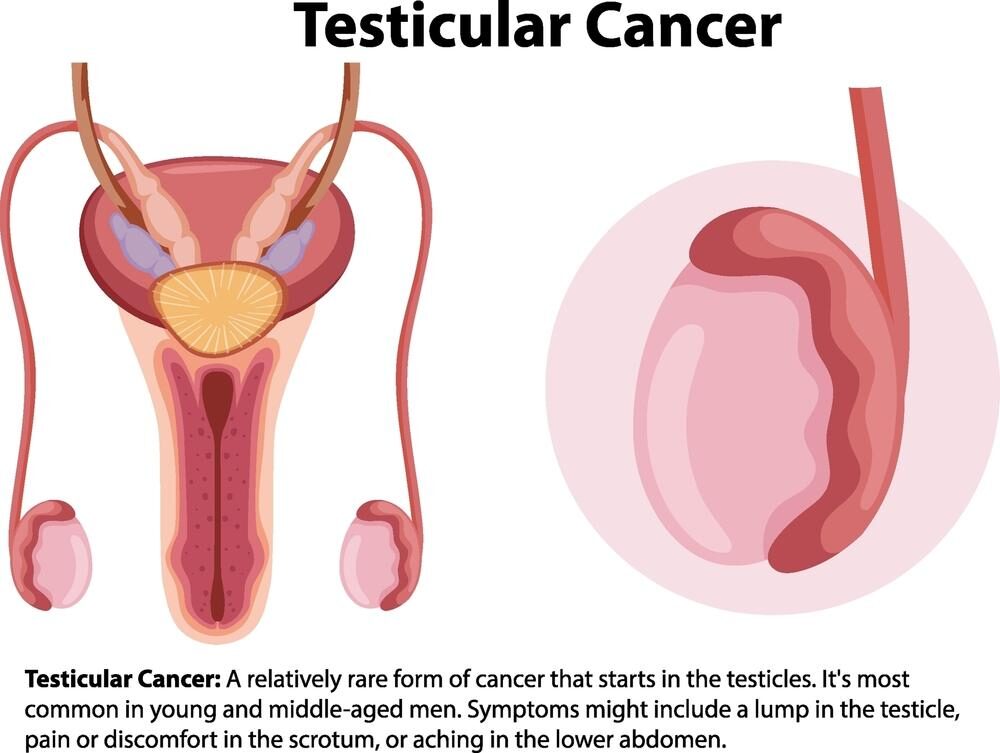
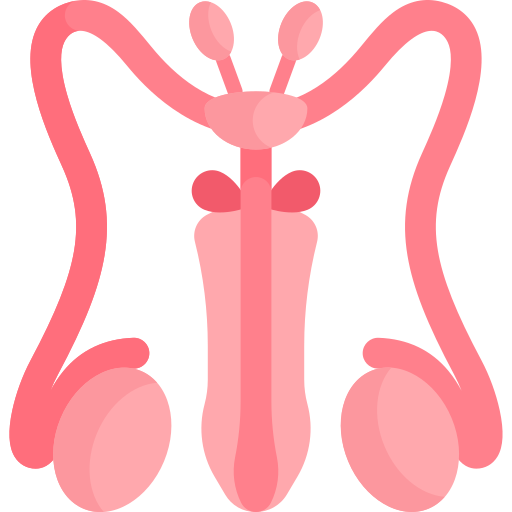
Testicular cancer occurs when cells in the testicle grow abnormally and form a tumour. It is the most common cancer in men aged 15 to 35, yet highly curable, with cure rates above 95% when detected early. Most lumps are found during self-examination, and a painless swelling or hardness in one testicle is the most common sign—any new lump should be checked by a urologist promptly.
Types of Testicular Cancer treated by Dr. Rahul Pradhan?
Treatment depends heavily on the exact type of testicular cancer. Correct identification begins with surgical removal of the testicle and detailed pathology review.
Seminoma
Seminomas account for around 40 to 50% of germ cell tumours. They grow slowly, tend to stay localised longer, and respond very well to both radiation and chemotherapy. Most men with stage I seminoma are cured with surgery alone, with close follow-up afterwards.
Non-Seminoma
Non-seminomas make up the rest of germ cell tumours and usually affect younger men in their late teens to early thirties. Subtypes include embryonal carcinoma, yolk sac tumour, choriocarcinoma, and teratoma. They grow and spread faster than seminomas but remain highly curable with surgery followed by chemotherapy when needed.
Stromal Tumours
Stromal tumours such as Leydig cell and Sertoli cell tumours arise from the supporting tissues of the testicle rather than the germ cells. They are rare, usually benign, and managed primarily by surgical removal. Malignant variants are uncommon but need closer monitoring.
How Do We Diagnose Testicular Cancer ?
What Treatment Options are Available for Testicular Cancer in Bhubaneswar?
Treatment depends on the tumour type (seminoma or non-seminoma), the stage, serum tumour marker levels, and the patient’s overall health. Every plan is built around the individual, not a template.
Radical Inguinal Orchidectomy
This is the first and most important step for almost every patient. The affected testicle and spermatic cord are removed through a small groin incision. Recovery is quick, with most men going home the same day or the next. A prosthetic testicular implant can be placed at the time of surgery or later, based on patient preference.
Active Surveillance
For low-risk stage I disease, surveillance avoids the need for immediate chemotherapy or radiation. It involves regular follow-up with tumour markers, CT scans, and clinical review. The majority of these patients never need further treatment, and those who do still have excellent cure rates.
Chemotherapy
Platinum-based chemotherapy, most commonly the BEP regimen (bleomycin, etoposide, cisplatin), is used for stage II and stage III disease, and for selected high-risk stage I cases. Testicular cancer is exceptionally sensitive to chemotherapy, which is why cure rates remain above 80% even in advanced stages. Dr. Pradhan coordinates with medical oncology teams to plan and monitor treatment.
Radiation Therapy
Radiation is used mainly for seminomas, particularly when the cancer has spread to nearby abdominal lymph nodes. Modern radiotherapy is targeted and delivered over a few weeks with minimal side effects in most patients.
Retroperitoneal Lymph Node Dissection (RPLND)
RPLND is a specialised surgery to remove lymph nodes at the back of the abdomen. It is used in selected non-seminoma cases, either as primary treatment or after chemotherapy when residual masses remain. Performed with a minimally invasive approach where possible, RPLND requires surgical expertise and high-volume experience.
Salvage Therapy for Relapse
If cancer returns after initial treatment, salvage chemotherapy or high-dose regimens with stem cell support can still cure a significant proportion of patients. This is an area where multidisciplinary planning matters most.
Book Your Consultation Today
Noticed a lump, swelling, or unusual heaviness? Do not wait. Early evaluation makes all the difference in testicular cancer outcomes.
Our Approach and Procedure
Every patient journey follows a structured path designed to move quickly from diagnosis to treatment without confusion. Speed matters in testicular cancer. The approach is the same for every patient:
Initial Consultation
A detailed discussion about symptoms, medical history, and family history. A clinical examination is done during the same visit, and urgent investigations are arranged immediately when needed.
Rapid Diagnostic Workup
Ultrasound, tumour markers, and basic blood work are usually completed within 24 to 48 hours. CT staging follows once the diagnosis is confirmed. The goal is to move from first visit to surgery within a week whenever possible.
Fertility and Treatment Counselling
Before any surgery or chemotherapy, sperm banking is offered to every eligible patient. Treatment options are explained clearly, including the pros and cons of each choice. Family members are welcomed into these conversations.
Surgical Treatment
Inguinal orchidectomy is performed as a day-care or short-stay procedure. Pathology results guide the next steps, whether that is surveillance, chemotherapy, or further surgery.
Multidisciplinary Care
For advanced cases, a combined team including medical oncology and radiation oncology plans the full treatment pathway, with Dr. Pradhan as the single point of contact. He also handles related uro-oncology cases such as prostate cancer, ensuring patients with overlapping concerns receive a single coordinated assessment.
Long-Term Follow-Up
Testicular cancer survivors need regular monitoring for at least five years. Follow-up visits include physical examination, tumour markers, and periodic imaging. The schedule becomes less frequent over time as the risk of recurrence drops.
—– Urology Specialist in Bhubaneswar
Why Choose Dr. Rahul Pradhan for Testicular Cancer Treatment ?
Testicular cancer is rare, and the outcome depends heavily on the experience of the treating team. A surgeon who handles these cases regularly, understands the nuances of marker interpretation, and knows when to escalate or de-escalate treatment makes a real difference.
Dr. Pradhan’s approach is direct and honest. He explains the diagnosis without medical jargon, lays out every treatment option, and helps patients make decisions that fit their life. There is no rush to push surgery or chemotherapy when it is not needed, and no delay when it is.

MBBS, MS, MCh (Urology): complete surgical and urological training.

Post-Doctoral Fellowship in Uro-Oncology: trained at Sri Shankara Cancer Foundation, Bengaluru, one of India’s top five centres for uro-oncology.
300+ Major Robotic Surgeries: including complex oncological procedures with minimally invasive approaches.
FMAS: specialised training in laparoscopic and robotic techniques.
Subspecialty in Uro-Oncology:Subspecialty in Uro-Oncology: prostate, kidney, bladder, testicular, and penile cancers.
Multidisciplinary Coordination: seamless links with medical oncology and radiation oncology for integrated care.
Patient-First Approach: clear communication, transparent cost estimates, and honest advice on when to treat and when to watch.
For patients across Bhubaneswar, Cuttack, Puri, and the rest of Odisha, this means access to complete testicular cancer care, alongside related uro-oncology services such as penile cancer, from first consultation to long-term follow-up, without leaving the state.
Patient Education Videos
Latest Blog
Does Smoking Increase the Risk of Bladder Cancer? Causes, Warning Signs and Prevention
Most individuals when questioned about the effects of smoking on the organ systems would talk about lungs. However, when it comes to bladder, not many think of smoking as it is one of the leading factors contributing to its pathologies, being cited in half of the...

What Are Early Symptoms of an Enlarged Prostate?
Pain isn’t how an enlarged prostate usually announces itself. The first symptoms of an enlarged prostate show up at the toilet instead. The gland sits around the urethra, so as it grows it narrows the channel urine has to pass through. Doctors call the condition...
Can a Bladder Infection Cause Bleeding? Causes, Symptoms and When to Seek Care
Medically Reviewed by Dr. Rahul Pradhan, MBBS, MS, MCh (Urology) · Urologist & Uro-Oncologist, BhubaneswarWhy blood shows up with a bladder infection, what else to watch for, and when it’s time to see a doctor.Seeing blood in your urine is frightening, even...
—– Common Questions —–
FAQs
At what age should I start checking for testicular cancer?
Self-examination should begin from the late teens and continue monthly throughout life. Testicular cancer is most common between ages 15 and 35, but it can occur at any age. Any new lump or change should be checked by a urologist without waiting.
Is testicular cancer painful?
Most testicular cancers are painless in the early stages. A painless lump or swelling is the most common sign. Pain, when present, usually means the tumour is larger or there is associated bleeding or inflammation. Painless does not mean harmless.
Will I lose both testicles during surgery?
Almost never. The vast majority of cases involve only one testicle, and only that one is removed. The remaining testicle continues normal hormone and sperm production in most men. Testosterone replacement is rarely needed after removing one testicle.
Can I still have children after testicular cancer treatment?
Yes, in most cases. One healthy testicle produces enough sperm for natural conception in the majority of men. For those needing chemotherapy or radiation, sperm banking before treatment is strongly recommended and offered to every eligible patient.
What are the Signs and Symptoms of Testicular Cancer?
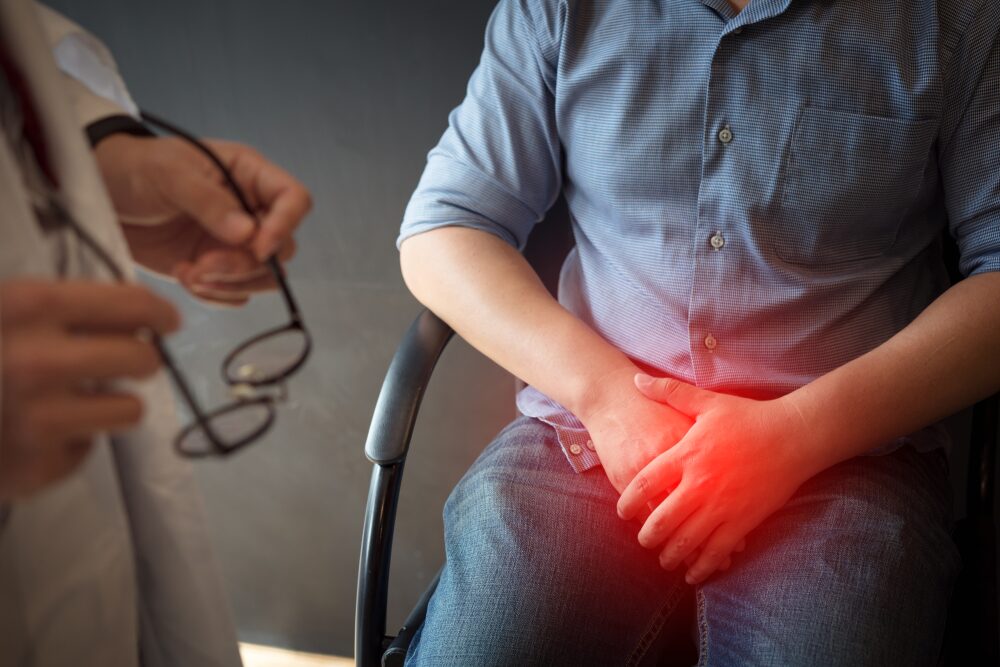
Testicular cancer often shows up as a painless lump or swelling in a testicle, along with a feeling of heaviness or dull ache in the groin or lower abdomen. Changes in size, shape, or firmness of a testicle and sudden fluid buildup can also occur.
How long does recovery take after orchidectomy?
Most patients go home the same day or the next. Light activities resume within a week, and full recovery including work and exercise usually takes two to three weeks. Sexual activity can resume once the wound has healed, generally within three to four weeks.