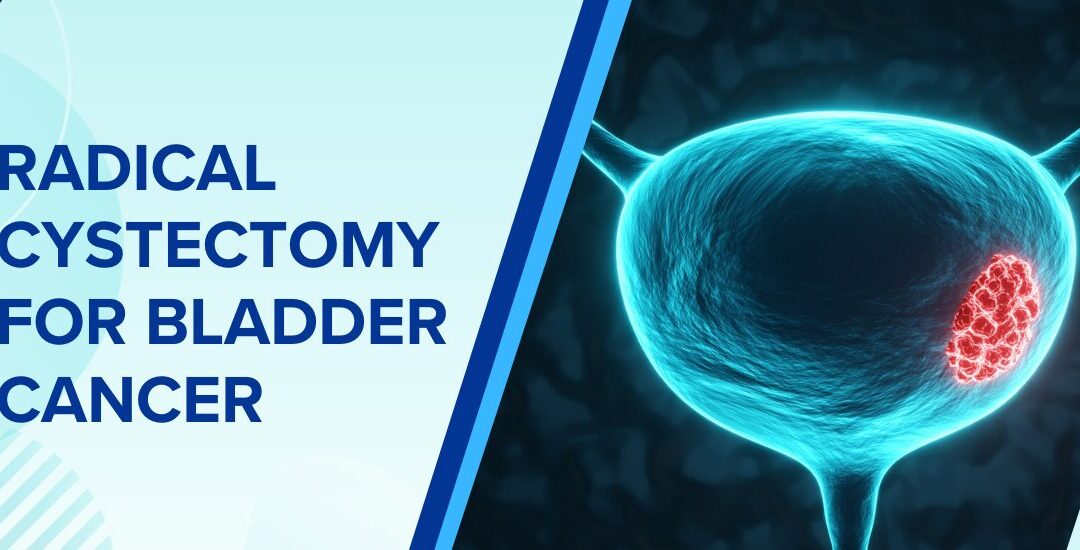
Radical cystectomy is the surgical removal of the urinary bladder and surrounding organs to treat muscle-invasive bladder cancer and high-risk tumours that fail conservative therapy. The procedure includes urinary diversion through an ileal conduit, neobladder, or Indiana pouch. Most patients regain normal activity within a couple of months, with recovery pace depending on the surgical approach used.
According to Dr. Rahul Pradhan, a senior Urologist in Bhubaneswar, “Once muscle invasion sets in, delaying surgery only narrows the options. The earlier we operate, the better the long-term outcomes, and modern robotic approaches make recovery far easier than open surgery did a decade ago.”
When Is Radical Cystectomy Recommended for Bladder Cancer?
Radical cystectomy is considered the gold standard for muscle-invasive bladder cancer and certain aggressive non-muscle-invasive cases. Dr. Rahul Pradhan ensures every patient understands why the surgery is needed, walking through imaging, biopsy findings, and staging across multiple consultations before recommending it.
The most common indications include:
- Muscle-invasive disease (T2 or higher): Cancer that has breached the bladder muscle wall cannot be fully treated with TURBT, so cystectomy becomes necessary, often combined with cisplatin-based chemotherapy before surgery to improve survival.
- BCG-unresponsive carcinoma in situ: High-grade flat tumours that fail induction and maintenance BCG carry significant progression risk and respond better to early cystectomy than continued bladder preservation.
- Recurrent high-grade T1 disease: Repeated tumour recurrence after multiple TURBT procedures eventually outweighs the benefits of bladder preservation, and cystectomy becomes the safer long-term choice.
- Variant histology: Sarcomatoid, micropapillary, plasmacytoid, and small-cell subtypes respond poorly to bladder-sparing approaches regardless of initial stage.
- Hydronephrosis with bladder tumour: A tumour blocking urine drainage signals advanced disease and typically warrants cystectomy after addressing the obstruction with a stent.
Patients fit for chemotherapy receive cisplatin-based neoadjuvant treatment before surgery, which has been shown to improve long-term survival by 5 to 10 percent in muscle-invasive cases.
Ready to discuss your bladder cancer treatment options? Book a consultation today with one of the leading uro-oncologists in Bhubaneswar and get clarity on what your surgical plan should look like. Book an appointment.
Radical Cystectomy Procedure & Recovery
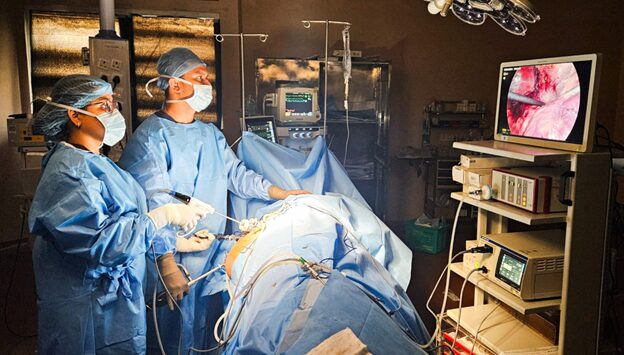
The procedure removes the bladder, surrounding lymph nodes, the prostate in men, and reproductive organs in women, followed by reconstruction of the urinary tract using a section of bowel. It takes 4 to 8 hours under general anaesthesia and can be performed open, laparoscopically, or robotically using the Da Vinci system. Robot-assisted cystectomy offers reduced blood loss and faster early recovery but requires specific surgical expertise.
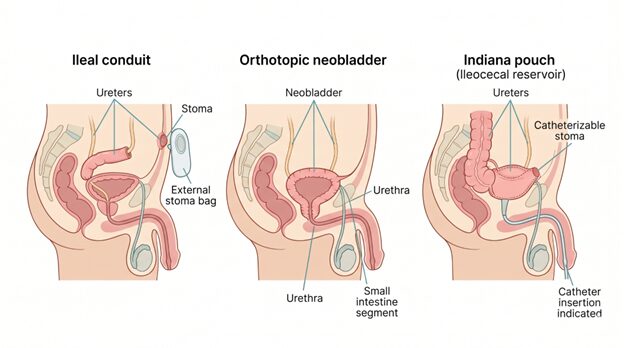
Three urinary diversion options are typically considered, each with distinct trade-offs:
| Diversion Type | How It Works | Recovery Profile |
| Ileal Conduit | Urine drains continuously into an external stoma bag | Simplest, fastest recovery |
| Orthotopic Neobladder | New bladder made from bowel connects to the urethra for natural urination | Continence training over several months |
| Indiana Pouch | Catheterizable internal reservoir built from cecum and ileum | Drained 4-5 times daily by catheter |
Choice of urinary diversion depends on patient age, kidney function, urethral involvement of the tumour, manual dexterity, and personal preference. Each option needs careful discussion before surgery so patients understand what daily life will look like afterwards.
Recovery & Complications
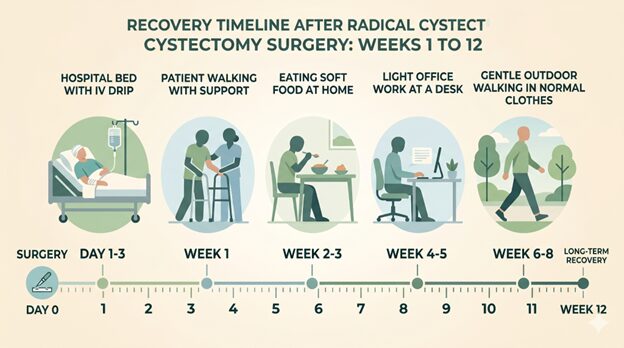
Most patients stay 7 to 10 days in hospital, with full recovery taking 6 to 8 weeks. A urinary catheter remains in place for 2 to 3 weeks, abdominal drains usually come out before discharge, and walking is encouraged from day one to prevent clots and speed up bowel recovery.
Here’s what the recovery timeline typically looks like by surgical approach:
Activity | Robotic / Laparoscopic | Open Surgery |
Walking | Day 1 | Day 2-3 |
Soft food | Day 3-5 | Day 5-7 |
Catheter removal | 2-3 weeks | 2-3 weeks |
Light work | 4-5 weeks | 6-8 weeks |
Full activity | 6-8 weeks | 10-12 weeks |
Complications occur in 30 to 50 percent of cases, with most being minor and managed conservatively. The common ones include ileus, urinary leak from the anastomosis, wound infection, stoma issues, and rarely sepsis. Long-term concerns such as stomal hernia, vitamin B12 deficiency, metabolic acidosis, and kidney function decline need ongoing monitoring. Five-year survival is 60 to 70 percent for organ-confined T2 disease and drops to 30 to 40 percent when lymph nodes are involved, which is why early surgery makes such a difference to outcomes.
When To Consult a Doctor
Bladder cancer outcomes depend heavily on how early diagnosis happens and how quickly definitive treatment is started. Knowing when to escalate from your family physician to a trained uro-oncology surgeon can change your prognosis significantly.
Schedule a consultation without delay if any of the following apply:
- Visible blood in urine has appeared even once, especially after age 40
- BCG therapy has been ongoing without complete tumour clearance
- Recurrent bladder tumours have needed multiple TURBT procedures in the past year
- A recent biopsy confirms muscle invasion or high-grade pathology
- Imaging shows kidney swelling or pelvic lymph node enlargement
Patients across Odisha trust Dr. Rahul Pradhan for bladder cancer surgery for his technical precision with robotic approaches, depth of training at Sri Shankara Cancer Hospital, and attentive perioperative care. With over 300 major robotic procedures, he provides clinical clarity through complex cancer decisions.
CTA: Ready to discuss your bladder cancer treatment options? Book a consultation today with one of the leading uro-oncologists in Bhubaneswar and get clarity on what your surgical plan should look like. Book an appointment.
FAQs
Is radical cystectomy a life-threatening surgery?
Mortality risk is 2 to 7 percent, mostly tied to age, kidney function, and comorbidities, with most deaths from postoperative sepsis or cardiac events rather than the surgery itself.
How long is the hospital stay after cystectomy?
Typical inpatient duration is 7 to 10 days, with longer stays for older patients or those with postoperative complications such as ileus or wound issues.
What is urinary diversion after bladder removal?
A new urinary pathway built from bowel: an ileal conduit with an external bag, a neobladder connecting to the urethra, or a continent Indiana pouch drained by catheter.
Can radical cystectomy completely cure bladder cancer?
Yes for many cases. Organ-confined muscle-invasive disease has 60 to 70 percent 5-year survival, with outcomes significantly better when combined with neoadjuvant chemotherapy.
Will I need chemotherapy after cystectomy?
Sometimes. Patients with lymph node involvement or high-risk pathology benefit from adjuvant chemotherapy, while lower-risk patients may need only surveillance imaging and labs.