
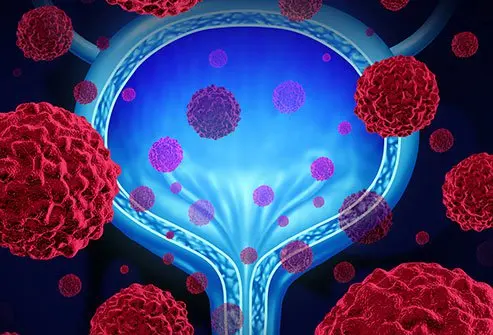
Most people don’t think about their bladder until something goes wrong. When bladder cancer develops, cells in the bladder lining begin growing in ways they shouldn’t, and the body usually sends signals well before the disease advances. Those signals most often show up as blood in the urine, changes in urination frequency, pain while urinating, sudden urgency, or a dull ache in the lower back.
According to Dr. Rahul Pradhan, a Uro-Oncologist and Urologist in Bhubaneswar, “Of all five signs, hematuria is the one I take most seriously in clinical practice. Frequency and urgency have a long list of benign causes, but blood in urine in a patient over 45 gets a cystoscopy. That’s not negotiable.”
What do the 5 warning signs actually look like?
Symptoms of bladder cancer don’t always arrive together or at once. In most cases one complaint shows up first, gets attributed to something else, and the evaluation gets delayed by weeks.
- Blood in the urine: Colour ranges from light pink to deep rust, and in a good number of cases the urine looks completely clear on the surface. Hematuria only surfaces on a lab dipstick. No burning, no frequency, nothing else to flag it. That painlessness is the problem because it gives patients every reason to wait.
- Frequent urination: Ten or more trips through the day, several more at night, with no real sense of emptying afterwards. This pattern has nothing to do with fluid intake and patients generally know the difference. It just gets blamed on something else for too long.
- Painful urination: A burn or sting, typically felt at the tip. Two or three antibiotic courses later, nothing has cleared. That persistent UTI that won’t respond to treatment is the version that should have been scoped weeks earlier.
- Sudden urges to pee: The window between the urge and needing a toilet can drop to under a minute. Travel gets planned around bathroom locations. Meetings become difficult to sit through. Daily routine quietly reorganises itself around the symptom.
- Lower back pain: One-sided, dull, and unaffected by movement or posture. Distinct from the muscle soreness most people recognise. This pattern points to a tumour pressing on a ureter or adjacent nerve root rather than any structural issue.
Any of these lasting beyond two weeks deserves proper evaluation. Cystoscopy with urine cytology takes under an hour and delivers a clear answer at the first sitting. For the full workup pathway, see our bladder cancer treatment page.
When should you actually see a urologist?
Not every urinary complaint points to cancer. Certain patterns, though, leave very little room to wait and see.
- Blood in urine, even once: One episode is enough reason to get evaluated, regardless of whether it cleared the next day. Painless hematuria is the earliest and most reliable signal of a bladder tumour, and the absence of pain does not reduce its significance.
- Symptoms lasting over 2 weeks: Antibiotics tried, complaints continuing. At that point another prescription is not the right next step. Imaging and cystoscopy should follow a failed antibiotic course, not a repeat of one.
- Age above 45 with any red flag: Incidence climbs sharply after 45 and rises further past 60. In this age group urinary red flags warrant investigation, not a few more weeks of observation.
- Smokers or ex-smokers with symptoms: Tobacco is the largest known contributing factor to bladder cancer. That elevated risk does not disappear after quitting. Symptomatic ex-smokers, even a decade out, still need a scope rather than reassurance.
- Chemical exposure at work: Years of contact with dyes, rubber, leather, or textile chemicals raise baseline risk considerably. Any urinary symptom in this group should prompt evaluation rather than a wait-and-watch approach.
Early diagnosis changes outcomes in a meaningful way. Stage 1 bladder cancer carries a five-year survival above 90 percent when treated without delay. If surgery becomes part of the management plan, our detailed guide on radical cystectomy covers the procedure end to end.
Why Choose Dr. Rahul Pradhan for Bladder Cancer Care?
Dr. Rahul Pradhan is a Consultant Urologist and Uro-Oncologist based in Bhubaneswar with over 9 years of clinical experience and 300+ major robotic surgeries on the Da Vinci platform. He holds an MBBS, MS in General Surgery, MCh in Urology, FMAS, and a Post-Doctoral Fellowship in Uro-Oncology and Robotic Surgery from Sri Shankara Cancer Hospital, Bangalore.
His practice covers bladder cancer at every stage, from early TURBT and BCG therapy to radical cystectomy for advanced disease. If any of the warning signs mentioned above have persisted beyond two weeks, a single consultation is the right next step
Noticing blood in urine or urinary changes? Consult a bladder cancer specialist for an accurate evaluation.
FAQs
Is blood in urine always bladder cancer?
Not always. Kidney stones, UTIs, and even vigorous exercise can cause transient hematuria. What changes the picture is age. In anyone past 45, even a single episode of painless blood in urine needs a cystoscopy to properly rule out malignancy.
Can bladder cancer be cured if caught early?
Caught at Stage 1, it very often can be. Five-year survival crosses 90 percent for non-muscle-invasive disease treated with TURBT and BCG. The numbers drop considerably once the tumour has grown into the bladder muscle wall.
What age does bladder cancer usually appear?
Most diagnoses happen after 55, with the sharpest rise in incidence occurring past 65. Smokers tend to present earlier, sometimes in their late forties, because tobacco exposure accelerates the timeline.
Does bladder cancer show up on ultrasound?
Ultrasound can pick up a large bladder mass or thickened wall but misses a lot, particularly flat or early-stage lesions. Cystoscopy is the only reliable way to inspect the bladder lining directly, and a biopsy taken during the same procedure confirms the diagnosis.
References:
- National Cancer Institute (NIH) — Bladder Cancer: Patient-facing overview covering risk factors, staging, symptoms, and treatment options published by the NCI.
- American Urological Association — Non-Muscle-Invasive Bladder Cancer Guideline: Clinical guideline on diagnosis and management of early-stage bladder cancer updated by the AUA.
Disclaimer
The content on this page is intended for general information only. It does not substitute for a clinical consultation or a diagnosis made by a qualified medical professional.