Robotic Bladder Cancer Surgery in Bhubaneswar

A diagnosis of muscle-invasive bladder cancer usually brings a hard question along with it: does the bladder need to come out, and if so, how is that done safely? Robot-assisted radical cystectomy the surgical removal of the bladder using a surgeon-controlled robotic system — has become one of the more advanced ways to perform this operation, working through several small incisions instead of one large one. It’s considered one of the more technically demanding procedures in urological oncology, and whether it’s the right path depends on how far the cancer has spread, kidney function, and how fit the patient is for a major operation.

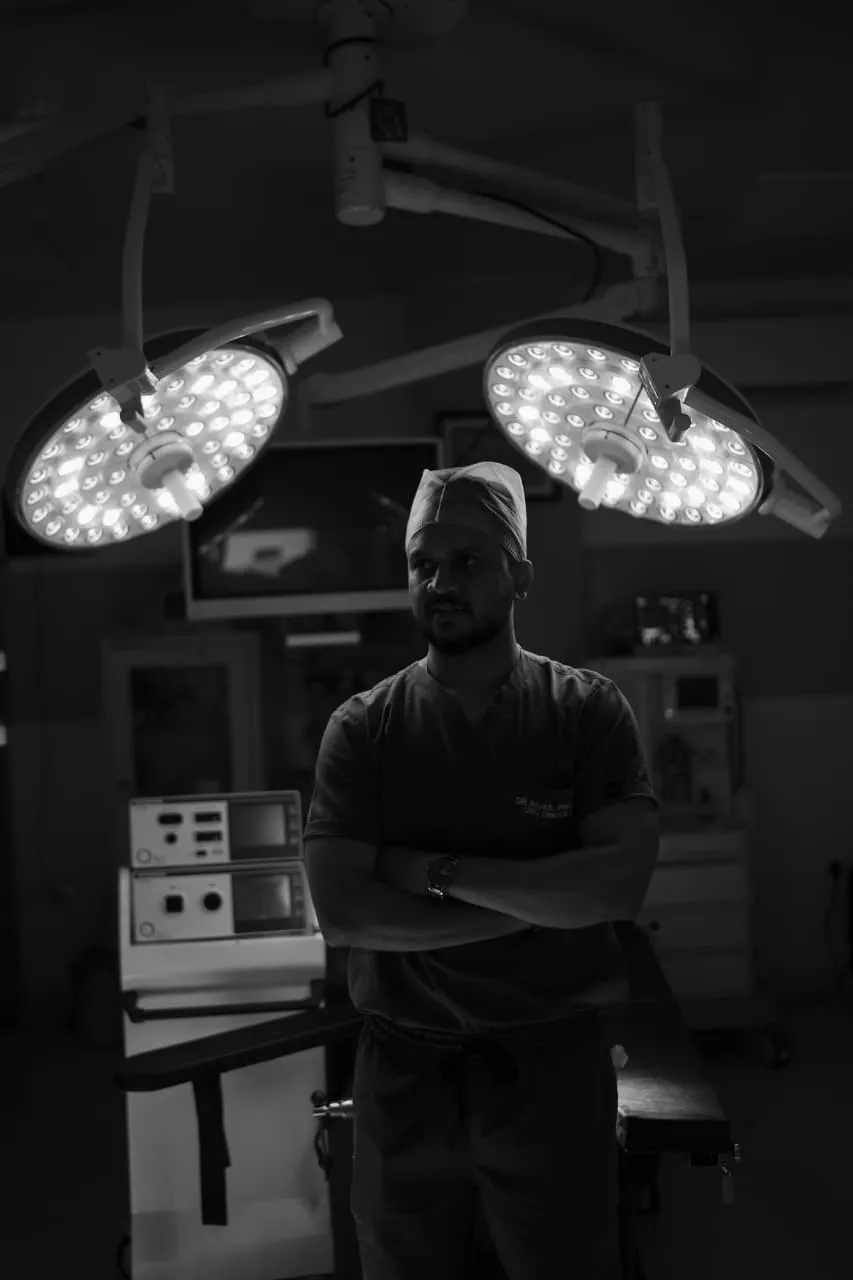
Getting this decision right takes more than the robotic system itself. Dr. Rahul Pradhan, a Uro-Oncologist practising in Bhubaneswar with dedicated fellowship training in robotic surgery, guides patients from the first cystoscopy through staging, surgery, and the reconstruction that follows. He’s a Da Vinci-certified console surgeon who has performed 300+ major robotic and uro-oncological procedures.

What It Is

A robotic-assisted operation to remove the bladder, done through a few small incisions, followed by reconstruction of a new way for urine to pass.

Who It Helps

Patients with muscle-invasive bladder cancer, or high-risk disease that hasn’t responded to BCG therapy, who are medically fit for major surgery.

Cost

Varies with the surgical approach, the type of urinary diversion chosen, hospital stay, and any additional treatment required.

With Dr. Rahul Pradhan

Da Vinci-certified robotic surgery, individualised diversion planning, and structured long-term surveillance.

Dr. Rahul Pradhan

Consultant Uro-Oncologist & Urologist

Rahat Hospital, Saheed Nagar & Bagchi Sri Shankara Cancer Centre, Bhubaneswar


🤖 Da Vinci Certified Console Surgeon


⚕️ 300+ Robotic & Uro-Oncological Surgeries

MBBS, MS, MCh Urology, FMAS · Postdoctoral Fellowship in Uro-Oncology & Robotic Surgery, Sri Shankara Cancer Foundation, Bengaluru

Types of Bladder Cancer

Non-Muscle-Invasive Bladder Cancer (NMIBC)
Confined to the bladder's inner lining and highly treatable when caught early, usually with TURBT and intravesical therapy.
Muscle-Invasive Bladder Cancer (MIBC)
Has grown into the deeper muscle layer of the bladder wall and generally calls for more aggressive treatment, including surgery.

Advanced Diagnosis for Bladder Cancer

Before radical cystectomy is discussed at all, Dr. Rahul Pradhan works through cystoscopy findings, biopsy grading, and imaging to confirm exactly how far the disease has progressed — because that single distinction, muscle-invasive or not, changes the entire treatment path.

Understanding the Stage of Cancer

Cystoscopy, biopsy, and CT urogram or MRI findings are read together to establish whether the cancer is confined to the lining, has invaded the muscle, or extends beyond the bladder.

Assessing Overall Health

Kidney function, fitness for anaesthesia, and general health are reviewed carefully, since radical cystectomy is a longer and more demanding operation than most urological procedures.

Planning the Right Treatment

Non-muscle-invasive disease is usually managed with TURBT and BCG or chemotherapy instilled into the bladder, while muscle-invasive or BCG-unresponsive high-risk disease moves the conversation toward radical cystectomy.

Looking at Advanced Cases Carefully

When cancer has spread beyond the bladder wall or to nearby lymph nodes, surgery is weighed as part of a wider bladder cancer treatment plan that may include additional therapy.

A Team-Based Approach

Locally advanced or node-positive cases are discussed with oncology colleagues so systemic treatment options are considered alongside surgery, not after it.

What Is Dr. Rahul Pradhan’s Approach For Bladder Cancer
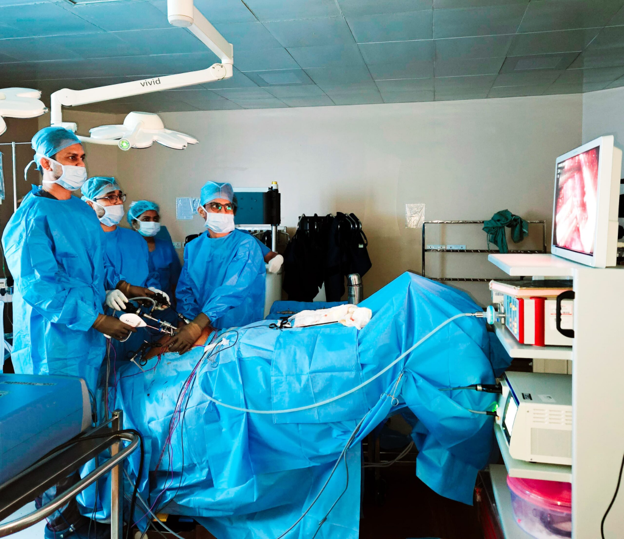
As a Uro-Oncologist based in Bhubaneswar, Dr. Pradhan matches the treatment to how deep the cancer has gone — TURBT and bladder-preserving therapy for early disease, surgery only once it’s genuinely needed.

Robotic Bladder Cancer Surgery

Robot-assisted radical cystectomy is the surgical removal of the bladder, performed for muscle-invasive bladder cancer or high-risk disease that hasn’t responded to BCG therapy. Dr. Pradhan trained as a Da Vinci robotic console surgeon during his postdoctoral fellowship at Sri Shankara Cancer Foundation, Bengaluru, and has gone on to perform more than 300 major robotic and uro-oncological surgeries. The procedure includes bilateral pelvic lymph node dissection for accurate staging, followed by urinary diversion to restore a way for urine to leave the body. Recovery after the robotic approach is typically reported around four to six weeks, compared with eight to twelve weeks for conventional open surgery — though this varies by patient and by how the reconstruction goes.
Da Vinci Certified Console Surgeon
300+ Robotic Surgeries

Benefits of Robotic Surgery

Smaller incisions and less blood loss
Shorter hospital stay in most cases
Magnified 3D surgical view
Nerve-sparing possible in suitable cases

Minimally Invasive Alternatives

Where robotic access isn’t the right fit, laparoscopic radical cystectomy remains a solid alternative in appropriately selected cases.

Urinary Diversion Options

An orthotopic neobladder allows natural voiding through the urethra for suitable patients, while an ileal conduit remains the more widely performed and reliable option; the right choice depends on anatomy, lifestyle, and recovery goals.

Treatment for Non-Muscle-Invasive Disease

TURBT with intravesical BCG or chemotherapy stays the first-line approach before cystectomy is ever considered, reserved for disease that doesn’t respond or keeps recurring at a high grade.

Focus on Recovery

Structured cystoscopic and imaging surveillance, stoma or pouch function checks, and long-term follow-up continue well after the operation itself, since bladder cancer carries one of the higher recurrence rates among urological cancers.
Wondering if robotic surgery is right for you? Speak with Dr. Rahul Pradhan about whether robot-assisted radical cystectomy may be appropriate for your condition.

How Much Does Robotic Bladder Cancer Surgery Cost in Bhubaneswar?

Stage of Cancer

Early-stage, localised disease is generally less complex to treat than advanced or node-positive cancer.

Type of Surgery

Robotic, laparoscopic, and open radical cystectomy don’t all carry the same cost.

Type of Urinary Diversion

An orthotopic neobladder involves more reconstructive work than an ileal conduit, which can affect overall cost.

Hospital Stay

How long admission and recovery take feeds directly into the overall expense.

Investigations & Follow-Up

Cystoscopy, imaging, and surveillance visits are part of the cost picture too, not just the operation itself.

Cost isn't fixed

it moves with the diagnosis and the treatment plan built around it.
A personalised estimate is worked out only after the patient’s reports and treatment needs have been reviewed.

Why Choose Dr. Rahul Pradhan For Robotic Bladder Cancer Surgery in Bhubaneswar
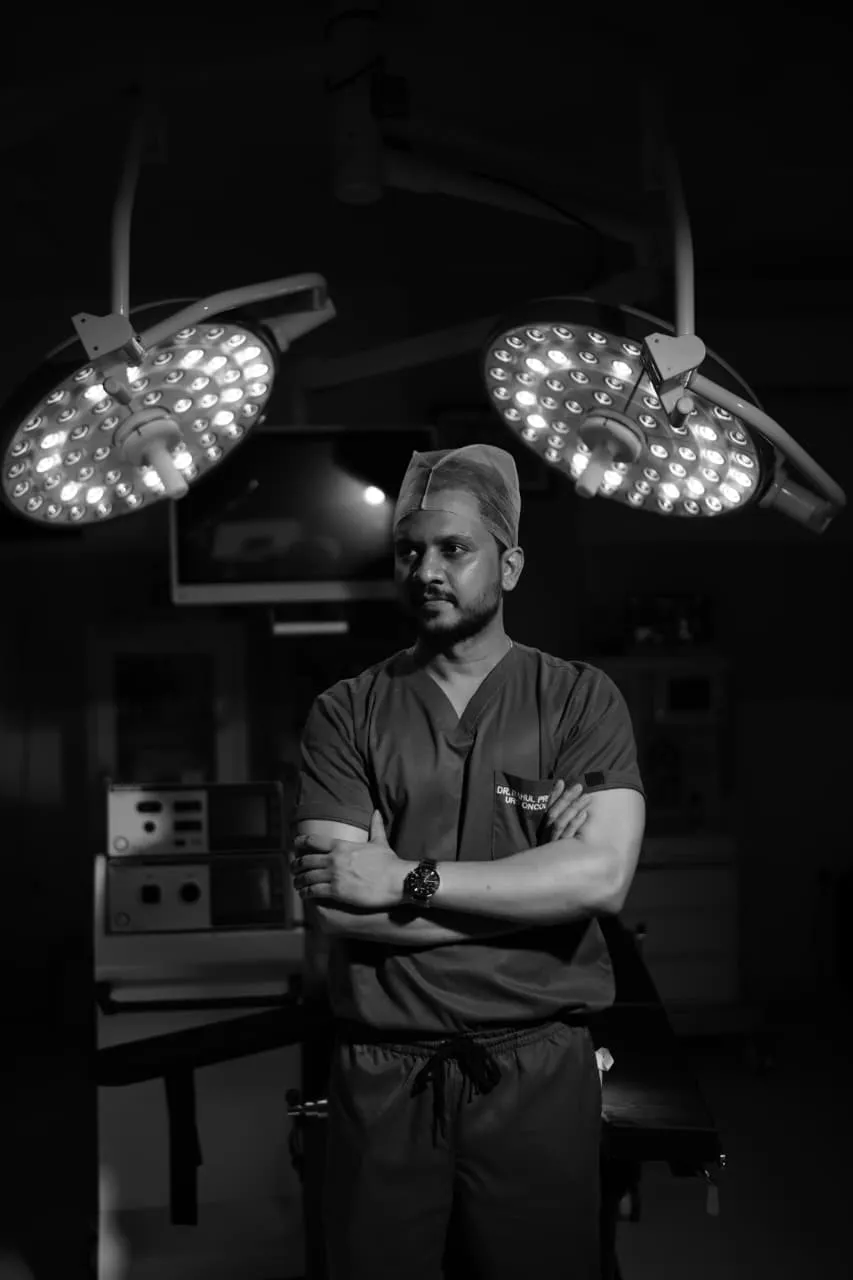
Experience in Uro-Oncology Surgery

Surgical treatment of bladder cancer calls for focused expertise, and Dr. Pradhan’s practice stays within uro-oncology — prostate, kidney, bladder, testicular, and penile cancers.

Advanced Robotic Surgical Training

His postdoctoral fellowship in Uro-Oncology and Robotic Surgery at Sri Shankara Cancer Foundation, Bengaluru, included training as a Da Vinci console surgeon, and he has since performed over 300 major robotic surgeries.

Treatment Planned Around You

The plan follows the cancer’s stage, kidney function, and overall health — not a single approach applied to every patient.

Minimally Invasive Options When Suitable

Where robotic or laparoscopic surgery fits the case, it can support less blood loss and an easier recovery.

A Team Approach to Cancer Care

Other cancer specialists are brought into the planning for locally advanced or node-positive disease, so nothing gets missed.

Support Beyond Surgery

Detailed pre-operative counselling on urinary diversion, followed by structured long-term surveillance, stays part of the relationship long after the surgery date.
If surgery has been recommended for you, seek an individual assessment with Dr. Rahul Pradhan to understand whether robot-assisted radical cystectomy fits your case.

—– Common Questions —–

Frequently Asked Questions

Who may be a candidate for robotic radical cystectomy?
This typically arises in patients with high-risk or muscle-invasive bladder cancer (tuberculous interstitial cystitis may be treated as well), who are medically able to undergo a significant surgical procedure. This can only be confirmed after a complete evaluation.
Can robotic surgery be performed on all bladder cancer patients?
No, in the early stages of non-muscle-invasive disease, treatment is typically bladder conservation with TURBT and intravesical therapy. Robotic or radical cystectomy is only used for more serious or treatment-resistant cases.
What are the differences between robotic and open radical cystectomy?
Both completely remove the bladder, as well as pelvic lymph nodes. Robotic surgery does this with multiple small incisions, with the surgeon controlling the surgery from a console and a magnified 3D camera display; open surgery makes a single, large incision. The recovery is generally quicker with the robotic method, but it still relies on each case and the surgeon’s expertise.
What is urinary diversion and what will it be like?
After the bladder is removed, a new pathway for urine to flow out of the body must be created. Ileal conduit is the most common surgical procedure performed, and an orthotopic neobladder is used for appropriate patients for natural voiding through the urethra. Which one is appropriate depends on anatomy, kidney function and individual preference, and will be discussed extensively prior to surgery.
What is the next step following robot assisted radical cystectomy?
In the initial recovery phase patients are closely monitored in the hospital, pain management is provided, early mobilisation occurs and care of the urinary diversion is provided. The time of discharge will vary according to each person’s progress and type of diversion.
Call Now Button