
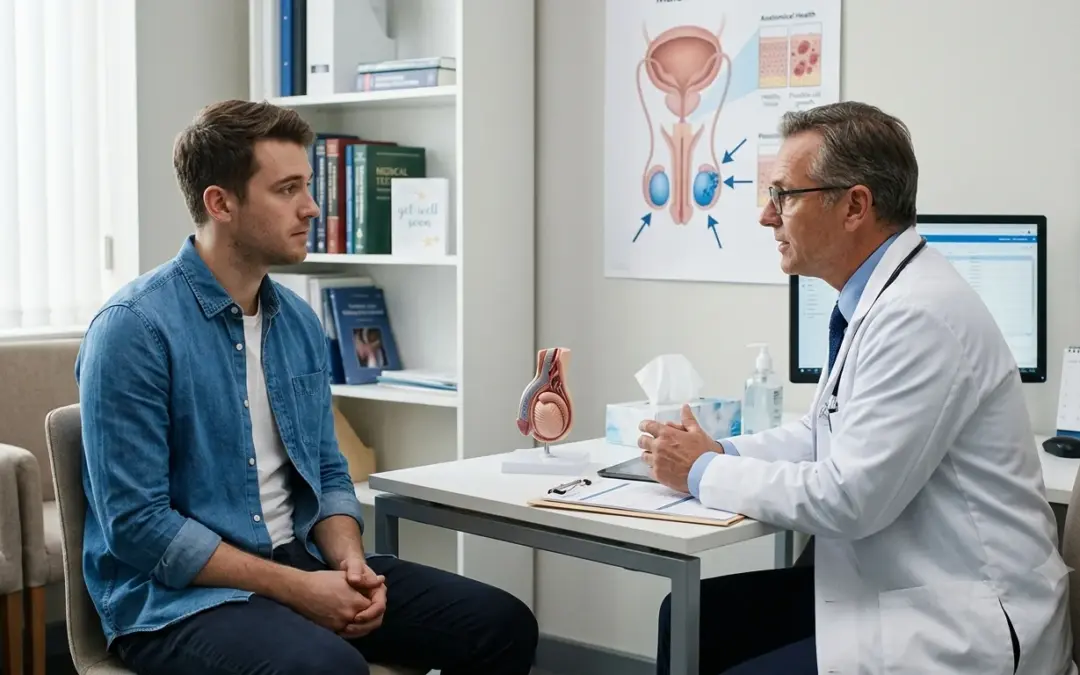
Fertility can often be preserved after testicular cancer, but only if certain steps happen before treatment starts. Sperm banking is the option doctors rely on most, and it can usually be arranged within days of diagnosis, sometimes faster. Losing one testicle doesn’t automatically mean losing fertility either, since the remaining testicle generally keeps producing sperm and testosterone on its own. The real risk comes from chemotherapy and radiation, not the surgery itself, which is why timing the fertility conversation early actually matters.
According to Dr. Rahul Pradhan, a Urologist in Bhubaneswar and an expert in testicular cancer fertility preservation, “Patients are so focused on treating the cancer, understandably, that fertility gets pushed to the side. Banking sperm before treatment starts takes very little time, and it keeps a door open that can’t be reopened later.”
What Fertility Preservation Options Exist Before Treatment?
A few options exist here, and which one applies depends mostly on how much time there is before surgery or chemotherapy begins.
- Banking: sperm banking means freezing samples before any treatment starts, and it’s still the most dependable way to preserve fertility no matter what happens afterward.
- Testis-sparing: for select early-stage cases, testis-sparing surgery removes just the tumor, leaving the rest of the testicle intact so hormone and sperm production continue.
- Timing: samples can usually be collected within a day or two, so there’s rarely a need to delay cancer treatment for this step.
- Multiple samples: doctors often recommend banking more than one sample where possible, since sperm quality can already be lower in men with testicular cancer, even before treatment begins.
Most men are honestly surprised at how fast this can be arranged once cancer is diagnosed. A consultation for testicular cancer treatment beforehand gives a much clearer sense of what’s realistic for each individual case.
How Does Cancer Treatment Affect Long-Term Fertility?
Not every treatment carries the same fertility risk, and knowing which one applies changes how the conversation goes.
- Orchiectomy: removing one testicle tends to have little effect on fertility overall, since the remaining testicle compensates for both hormone and sperm production in most men.
- Chemotherapy: some chemotherapy drugs lower sperm count, temporarily or sometimes permanently, and how much depends heavily on the specific drugs and doses used.
- Radiation: radiation aimed near the remaining testicle or nearby lymph nodes carries a higher risk to fertility, so careful shielding during planning becomes important.
- Recovery: sperm production can return to normal within a year or two after treatment ends, though that’s not something every patient can count on.
Fertility outcomes really do vary from person to person, shaped by treatment type, dosage, and health going into diagnosis. Anyone wanting to understand how other cancer-related symptoms are evaluated can read our guide on early warning signs of urologic cancer.
Why Choose Dr. Rahul Pradhan?
Dr. Rahul Pradhan is a practicing urologist with over a decade of experience managing testicular cancer, including fertility counseling that begins well before treatment is finalized. Each case is reviewed individually, and referrals for sperm banking are arranged promptly, so fertility preservation never delays the start of cancer treatment. Patients are informed of their fertility options as part of the initial consultation, not as an afterthought once treatment is already underway, and for a man in his twenties or thirties facing this diagnosis, that conversation often carries as much weight as the treatment plan itself.
Worried about fertility before starting testicular cancer treatment?
FAQs
Does removing one testicle cause infertility?
No, the remaining testicle usually maintains normal fertility and hormone levels.
How soon can sperm banking be done after diagnosis?
Sperm banking can usually be arranged within a day or two of diagnosis.
Does chemotherapy always affect fertility permanently?
Not always, sperm production sometimes recovers within one to two years.
Is fertility preservation possible for all cancer stages?
Yes, but options and success rates vary depending on stage and treatment plan.
References:
- National Cancer Institute – Testicular Cancer Treatment
- PubMed – Fertility Preservation in People With Cancer: ASCO Guideline Update
Disclaimer
The content on this page is intended for general information only. It does not substitute for a clinical consultation or a diagnosis made by a qualified medical professional.